Skip to content

The autumn 2026 canon: eight games, ranked

Canonikal

Eight indie games, played to the end and ranked

Independent reviews written in the UK. No adverts, no trackers, no paid placements.

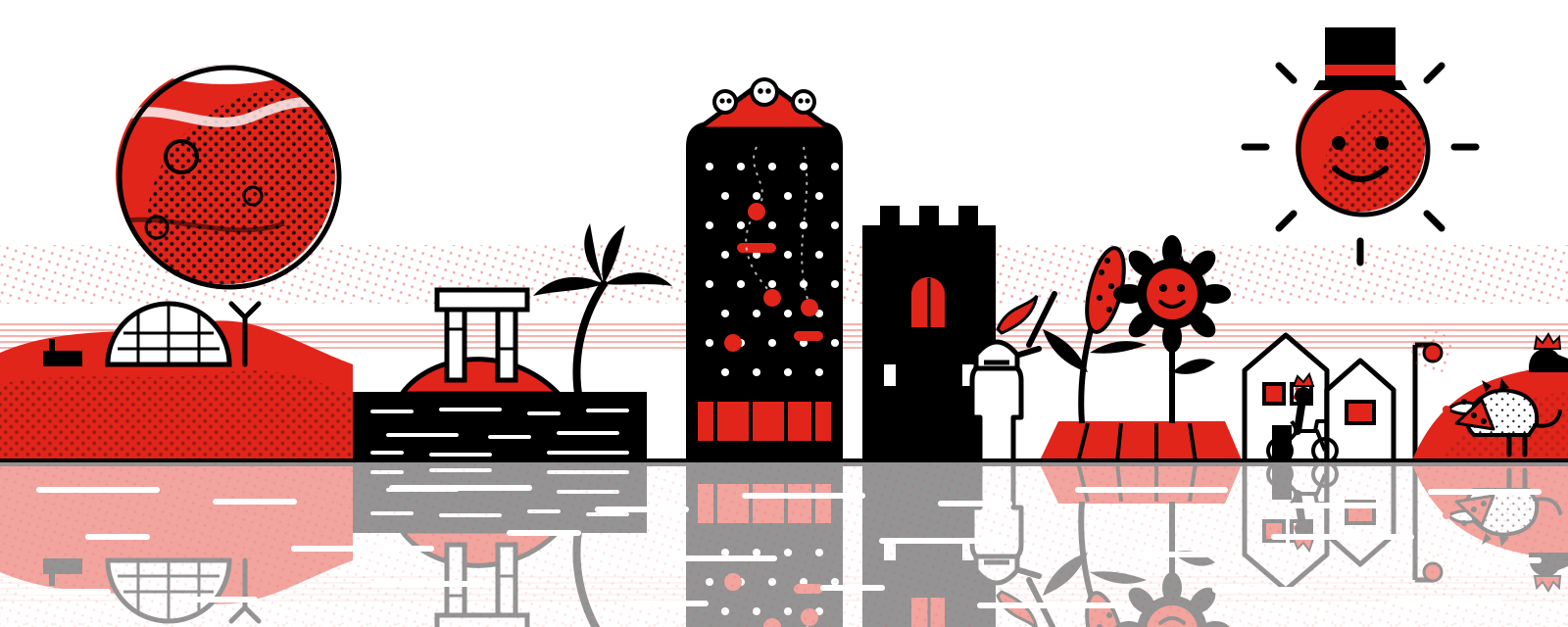
Our cover illustration: eight game worlds on one horizon, from a domed colony on Mars to a possum clutching a pizza slice, reflected in still water

Canonikal is an independent UK review magazine. We play every game through, then write down what you actually do, who it suits, where to stop a session and what it really costs. This issue ranks eight of the best indie games of recent years, from a pegboard roguelike to a Mars terraforming sim.

  • Free to read. No account, subscription or payment of any kind, and no adverts, trackers or paid placements.
  • No games here. We do not provide, host or download games. Official-site buttons go straight to the developer or publisher.
  • Our own art. Every image is an original illustration, not official game art. Game names and trademarks belong to their owners.

The canon, ranked

Eight games, each played through before a word was written. The rank follows the score; the full review, facts and costs for each sit below.

  1. BallionairePhysics roguelike built on pachinko-style boards Ranked 1 of 8, scored 4.6/5 Essential
  2. Knights in Tight SpacesTactical deckbuilder in a medieval setting Ranked 2 of 8, scored 4.4/5 Canon
  3. Mr. Sun’s HatboxSlapstick roguelite platformer Ranked 3 of 8, scored 4.3/5 Canon
  4. Call of the SeaFirst-person story and puzzle adventure, 1930s South Pacific Ranked 4 of 8, scored 4.2/5 Canon
  5. AtomicropsRoguelite farming with twin-stick shooting Ranked 5 of 8, scored 4.1/5 Canon
  6. Kingdom EightiesSide-scrolling base building with a story, set in an 80s summer camp Ranked 6 of 8, scored 3.9/5 Contender
  7. Pizza PossumArcade stealth and hide-and-seek Ranked 7 of 8, scored 3.8/5 Contender
  8. Per AsperaTerraforming strategy and base building Ranked 8 of 8, scored 3.4/5 For the devoted
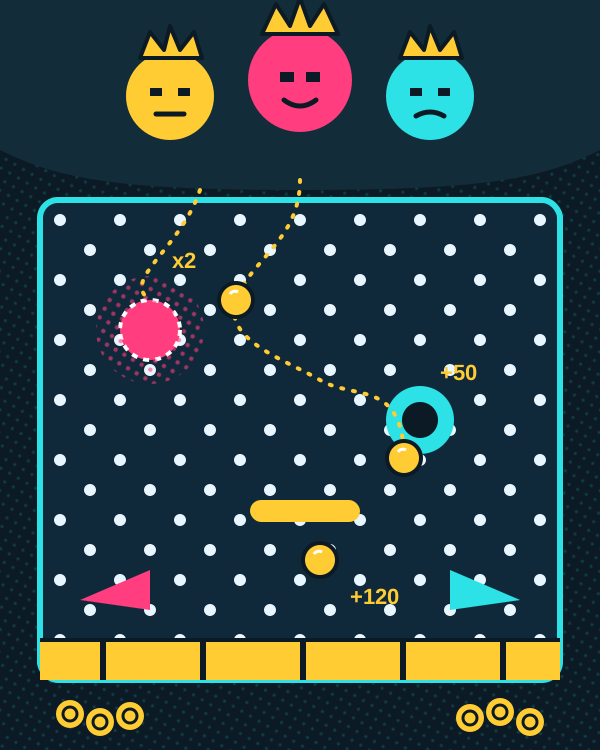
Our original cover illustration for Ballionaire, drawn in the style of the game

Number 1: Ballionaire

newobject for Raw Fury, 2024

Physics roguelike built on pachinko-style boards

4.6out of 5Essential

A pachinko board you rebuild between drops, and the most moreish half hour in this issue.

You place triggers on a pegboard, drop the balls and watch every bonk pay out. Between drops you buy new pieces and move the old ones, because three Elders want tribute and each payment is steeper than the last. Tribulations then bend the rules, so a board that carried you one round can stall the next.

What lifts it above other number-chasing games is that the chaos stays readable. You can see why a ball paid, which means every run teaches you a combination to try next time. Late boards get visually busy and a bad drop can still end a run you liked, but that tension is the point, and the runs are short enough that losing one never stings for long.

The file on Ballionaire

What you do
Place triggers on a pegboard, drop balls through it, and earn enough between drops to pay three rising tributes.
Who it suits
Deckbuilder and number-go-up fans who like short, replayable runs. Skip it if luck deciding a run winds you up.
Plays on
PC (Windows, via Steam). A free trial version is on the same store page.
Session
Solo. Quick, bright and high-energy, so it suits a fixed slot better than the last hour before bed.
Checkpoint
The end of a run. Runs are short: finish the one you are in and stop before the next “just one more”.
Costs
One purchase. Its Steam page listed no DLC and no in-game purchases when we checked.
Age
Look up the official PEGI rating on pegi.info or the store page before buying for a child. Content is abstract: balls, pegs and cartoon faces.
Official site: Raw Fury’s Ballionaire page, opens in a new tab
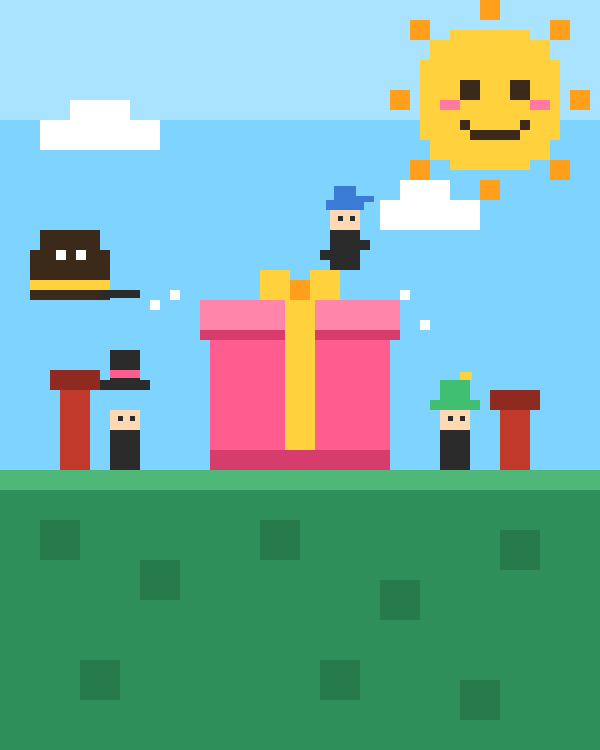
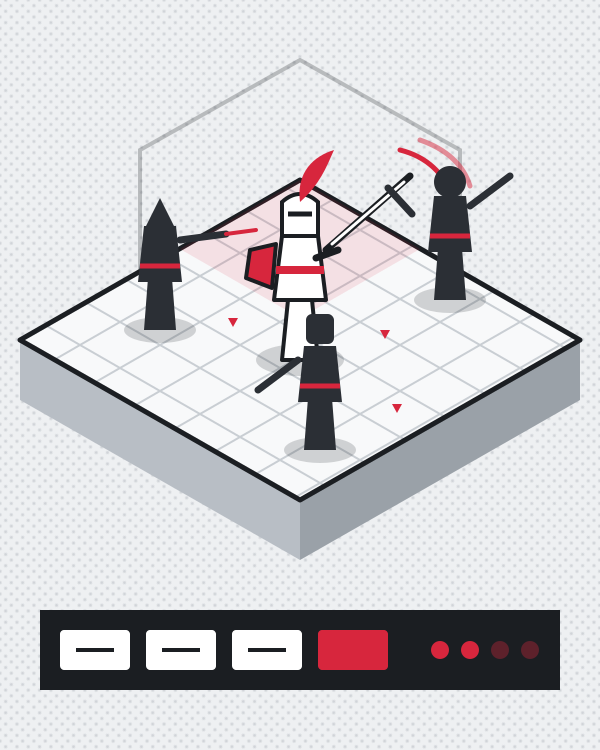
Our original cover illustration for Knights in Tight Spaces, drawn in the style of the game

Number 2: Knights in Tight Spaces

Ground Shatter for Raw Fury, 2025

Tactical deckbuilder in a medieval setting

4.4out of 5Canon

Fights in Tight Spaces moves to the Middle Ages and gains a party, and its cramped rooms are better for it.

Every card is a move: a step, a strike, a shove into a wall or into another enemy. The rooms are small on purpose, so where everyone stands matters as much as what you hold. This time you recruit companions on a branching map, and the team-up moves between them turn a careful turn into a satisfying chain.

The Bristol studio keeps the look from its earlier game: pale, stylised fighters, red accents and a replay of each fight that plays like an action film. The first runs can feel punishing until positioning clicks, and card text asks for close reading, but once it lands this is the most thoughtful game in the issue.

The file on Knights in Tight Spaces

What you do
Play cards to move, strike and knock enemies around tight rooms while a small party of recruits fights beside you.
Who it suits
Players who enjoy puzzle-like tactics and deckbuilding, and who like to plan a turn before they commit.
Plays on
PC (Windows, via Steam).
Session
Solo. Turn-based and calm: nothing moves until you do, so you can pause to think whenever you like.
Checkpoint
After a fight, once you have picked your reward and before you step onto the next point on the map.
Costs
One purchase. A soundtrack and an artbook are optional paid extras that do not change the game. No in-game shop.
Age
Check the official PEGI rating on pegi.info or your store page. Expect stylised sword fighting without gore.
Official site: the official Knights in Tight Spaces site, opens in a new tab
Our original cover illustration for Mr. Sun’s Hatbox, drawn in the style of the game

Number 3: Mr. Sun’s Hatbox

Kenny Sun for Raw Fury, 2023

Slapstick roguelite platformer

4.3out of 5Canon

A heist game run by clowns in hats, and the funniest physics in this issue.

Mr. Moon’s gang has stolen a hatbox meant for Mr. Sun, and you are the delivery service sent to get it back. Missions are short platforming raids: knock out guards, grab whatever hat helps, and carry the loot home. Captured enemies can be turned into new recruits, and the headquarters grows between jobs.

Kenny Sun’s pixel art is crisp and expressive, and the physics turn almost every mistake into a joke. Some hats are far more useful than others, which keeps runs unpredictable without feeling unfair. It shines with two people on a sofa, where the chaos doubles and nobody minds failing.

The file on Mr. Sun’s Hatbox

What you do
Run short missions, knock out guards, steal hats and carry the package back; between missions, upgrade the base and train recruits.
Who it suits
Anyone who enjoys chaotic platforming and can laugh at their own mistakes. Very good for two players sharing a sofa.
Plays on
PC (Windows and macOS, via Steam) and Nintendo Switch.
Session
Solo or local co-op for two, with head-to-head modes; on PC, online play works through Steam Remote Play Together. Loud and silly.
Checkpoint
Back at headquarters after a mission, once the loot is spent on upgrades.
Costs
One purchase. The soundtrack is sold separately. No in-game shop.
Age
See the official PEGI rating on pegi.info or your store page. Cartoon slapstick, no blood.
Official site: Raw Fury’s Mr. Sun’s Hatbox page, opens in a new tab
Our original cover illustration for Call of the Sea, drawn in the style of the game

Number 4: Call of the Sea

Out of the Blue for Raw Fury, 2020

First-person story and puzzle adventure, 1930s South Pacific

4.2out of 5Canon

A sun-drenched mystery that swaps jump scares for careful clue-reading.

It is 1934. Norah sails to an uncharted South Pacific island to find her husband’s missing expedition, and the island is not quite what it seems. You explore in first person, read the notes the expedition left behind and sketch clues into Norah’s journal, which slowly opens up murals, machines and ruins older than anyone should have built.

The Madrid studio paints the island in bright, saturated colour, which makes the strangeness land harder than gloom would. Puzzles reward looking closely rather than trial and error, and the story is told with warmth. It is a contained adventure, not an endless game, and that is part of the appeal.

The file on Call of the Sea

What you do
Explore an island in first person, read notes and murals, and solve observation puzzles that open the next part of the story.
Who it suits
Readers who like slow, story-led puzzle games and working things out with a notebook to hand.
Plays on
PC, Xbox Series X|S, Xbox One, PlayStation 5, PlayStation 4 and Nintendo Switch. A separate VR version is sold for Meta Quest.
Session
Solo. Calm and reflective, with eerie themes later on.
Checkpoint
The end of a chapter, when Norah’s journal fills in and the story moves to a new part of the island.
Costs
One purchase. A soundtrack and a deluxe edition with an art book are sold separately. No in-game shop.
Age
Check the official PEGI rating on pegi.info or your store page. The story touches on unsettling, Lovecraft-style themes.
Official site: Raw Fury’s Call of the Sea page, opens in a new tab
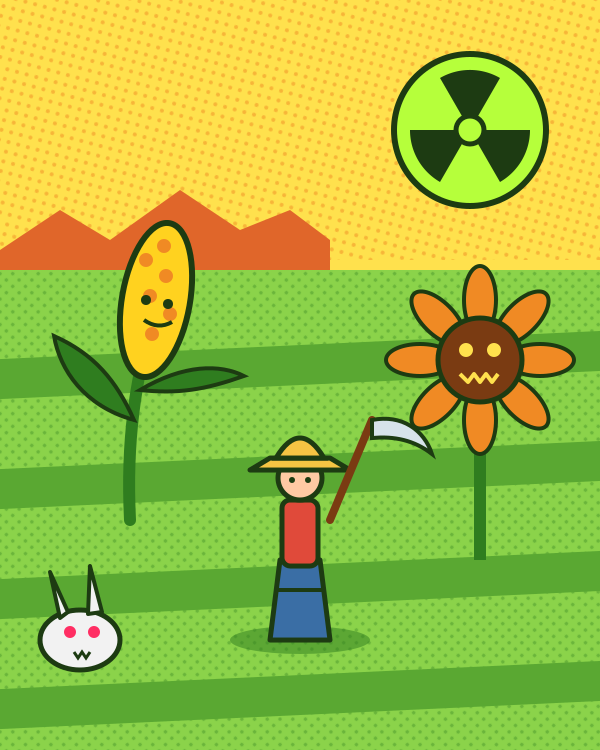
Our original cover illustration for Atomicrops, drawn in the style of the game

Number 5: Atomicrops

Bird Bath Games for Raw Fury, 2020

Roguelite farming with twin-stick shooting

4.1out of 5Canon

Farm by day, shoot mutants by night, and marry a local who will help with both.

You are the last farmer in a fallout-soaked wasteland. Each day you plant, water and harvest, then head out to gather seeds and upgrades before night falls and mutant pests come for the crops. Every season ends with a boss, and a run lasts until the last season or until the farm falls.

It is a clever mash-up that works because both halves are fast. The farming is chores at sprint speed and the shooting is a proper bullet-hell. Townsfolk you court can join you as companions, and permanent unlocks soften later runs. It gets frantic, and newcomers to twin-stick games will lose a few seasons before it clicks.

The file on Atomicrops

What you do
Plant and harvest crops between bursts of twin-stick shooting, defend the farm from mutants at night and beat a boss at the end of each season.
Who it suits
Action roguelite players who want a twist, and farming fans who do not mind a fast pace.
Plays on
PC (Steam and Epic Games Store), PlayStation 4, Xbox One and Nintendo Switch.
Session
Solo. Fast and busy; a full run spans several in-game seasons.
Checkpoint
Right after a season’s boss fight, before the next season begins.
Costs
One purchase. Two paid DLC packs, Reap What You Crow and Deerly Beloved, add extra content, and three updates were free. No in-game shop.
Age
See the official PEGI rating on pegi.info or your store page. Cartoon violence against mutant animals.
Official site: the official Atomicrops site, opens in a new tab
Our original cover illustration for Kingdom Eighties, drawn in the style of the game

Number 6: Kingdom Eighties

Fury Studios for Raw Fury, 2023

Side-scrolling base building with a story, set in an 80s summer camp

3.9out of 5Contender

The Kingdom formula, now with bikes, arcade cabinets and a story to follow.

The Kingdom games are about riding left and right along one strip of land, spending coins to recruit helpers and build defences, and surviving the Greed that comes each night. Eighties keeps that loop but sets it in a small American town in summer, with a camp counsellor on a bike leading the neighbourhood kids.

It adds a story told across chapters, which gives the series its clearest structure yet and makes it a good first Kingdom game. The neon pixel art and synth soundtrack are lovely. The minimal tutoring means the first hour involves some guesswork, and veterans of the series will find it shorter and gentler than they are used to.

The file on Kingdom Eighties

What you do
Ride a bike through town, spend coins to recruit kids and build defences, and hold back the Greed each night.
Who it suits
Newcomers to the Kingdom series, and anyone who likes slow, low-input strategy with beautiful pixel art.
Plays on
PC (Windows, macOS and Linux via Steam), Nintendo Switch, PlayStation 5, Xbox Series X|S, iOS and Android.
Session
Solo or local co-op for two; on PC, online co-op works through Steam Remote Play Together. Relaxed by day, tense at night.
Checkpoint
The morning after a night’s defence, when the light returns and the coins are counted.
Costs
One purchase, including on phones, where it is a paid app rather than free to play. An art book and a soundtrack are optional extras.
Age
Check the official PEGI rating on pegi.info or your store page. Mild fantasy threat from the Greed.
Official site: the official Kingdom series site, opens in a new tab
Our original cover illustration for Pizza Possum, drawn in the style of the game

Number 7: Pizza Possum

Cosy Computer for Raw Fury, 2023

Arcade stealth and hide-and-seek

3.8out of 5Contender

A short, silly stealth game about eating everything, better still with a raccoon.

You are a possum with one goal: eat as much as you can without being caught. Guard dogs patrol the village, bushes hide you, and the snacks get bigger as you climb towards the giant pizza at the top and the crown of the dogs’ leader.

It is wholesome and mischievous at once, and the possum’s squeaks and giggles do a lot of comic work. It is also brief: an evening or two sees the main route through. That makes it an easy recommendation for families and couples, and a thin one for anyone hoping for depth.

The file on Pizza Possum

What you do
Sneak through a village eating every snack you can reach, hide in bushes from guard dogs and work your way up to the giant pizza.
Who it suits
Families, two players on a sofa, and anyone who wants a short, complete game with no grind.
Plays on
PC (Steam), PlayStation 5, Xbox Series X|S and Nintendo Switch.
Session
Solo or local co-op for two, with the second player as a raccoon. Light, giggly and low-stakes.
Checkpoint
Each time you reach a new part of the village. The whole game fits into an evening or two.
Costs
One small purchase. Its Steam page listed no DLC and no in-game purchases when we checked.
Age
See the official PEGI rating on pegi.info or your store page. Cartoon chases, nothing frightening.
Official site: the official Pizza Possum site, opens in a new tab
Our original cover illustration for Per Aspera, drawn in the style of the game

Number 8: Per Aspera

Tlön Industries for Raw Fury, 2020

Terraforming strategy and base building

3.4out of 5For the devoted

Terraforming Mars as a patient AI is a grand idea, slowed by a sim that needs a lot of babysitting.

You play AMI, an artificial mind sent to make Mars fit for people after earlier attempts failed. That means mines, factories and power lines across a planet modelled on real NASA data, then the long work of warming it, thickening the air and bringing water back. A voiced story about the human crew and AMI’s own growing awareness runs alongside.

When the planet starts to change colour it is genuinely moving, and the science is taken seriously. Getting there is slow. Logistics need constant attention, early hours drag, and much of the play is fixing supply chains. Patient builders will love it; most readers should start elsewhere in this issue.

The file on Per Aspera

What you do
Build and connect mines, factories and power across Mars, then use them to warm the planet, thicken the air and bring back water.
Who it suits
Patient players who enjoy logistics, long-term planning and hard science fiction.
Plays on
PC (Windows, via Steam and GOG).
Session
Solo campaign; up to four players can terraform together online in Sandbox mode. Slow and absorbing.
Checkpoint
After a story message plays and your next research project is queued.
Costs
One purchase. The Blue Mars expansion is paid; Green Mars, Home and a building paint pack are free. An art book, a soundtrack and an audio drama are optional extras.
Age
Check the official PEGI rating on pegi.info or your store page. Mild themes, no violence to speak of.
Official site: Raw Fury’s Per Aspera page, opens in a new tab

Your week, budgeted

Decide how much of your week goes to games before the week decides for you. Set the hours, the days and, if you like, a monthly spending limit. The plan below spreads the time across your play days, keeps at least two days free, adds breaks and tells you when screens go off. Nothing is saved or sent anywhere.

7 h
Play days (up to five, so two stay free)

Games this week

    Eight rules for playing well

    Games are better when they fit around sleep, school, work and the people you live with. These are the habits we keep ourselves. The full guide adds advice for parents and where to find support.

    Read the full playing-well guide

    How we rank

    Every game gets four marks out of five. The score is their weighted average, given to one decimal place, and the canon is ordered by that score.

    Design
    Is the central idea fresh, and does every system serve it?
    Feel
    What the minute-to-minute play is like in your hands: controls, pace, sound and feedback.
    Finish
    Polish, performance, accessibility options and how well it runs on the platforms it is sold for.
    Fairness
    Respect for your time and money: honest pricing, no pressure to buy, and somewhere sensible to stop.

    The four tiers

    • Essential4.5 and upAmong the best indie games we have played; easy to recommend to almost anyone.
    • Canon4.0 to 4.4Excellent at what it sets out to do. Check who it suits, then go.
    • Contender3.5 to 3.9Good, with clear limits that some readers will mind.
    • For the devotedbelow 3.5Rewarding for fans of its genre, a hard sell for everyone else.

    Three promises

    • Played through. We finish a game, or play endless games for at least fifteen hours, before we score it.
    • Nobody buys a place. No publisher, developer or store pays for a review, a score or a rank. We carry no adverts and no affiliate links.
    • Costs in writing. Every review says what the game costs beyond the first purchase and where a session can end.
    Read the full review method

    Readers ask

    Do you sell games or charge for anything?

    No. Canonikal is a review magazine, not a shop or an online game service. It is free to read, with no account, subscription or payment of any kind, and we do not provide, host or download any games. Each review’s Official site button opens the developer’s or publisher’s own page, where you will find the PC, Nintendo Switch, PlayStation or Xbox store links.

    Are reviews or rankings paid for?

    Never. Nobody pays for a review, a score or a place in the canon, and we carry no adverts, sponsored posts or affiliate links. Publishers do not see a review before it is published.

    Is the art official?

    No. Every cover and scene on this site is our own illustration, drawn for Canonikal in the visual style of each game. We use no official artwork, logos or screenshots, and game names and trademarks belong to their owners.

    What does the Costs line mean?

    It is what a game can cost after the first purchase: paid DLC and expansions, optional extras such as soundtracks, a membership needed for online play and any in-game purchases. If a game were free to play, this is where we would say how it makes its money.

    What is the difference between a one-off purchase and free to play?

    A one-off purchase means you pay once and the whole game is yours; anything else is optional. A free-to-play game costs nothing to download and earns through in-game purchases instead. All eight games in this issue are one-off purchases.

    What are in-game purchases and loot boxes?

    In-game purchases are anything bought with real money inside a game, such as currency, outfits or boosts. Loot boxes are paid random items: you pay without knowing what you will get. None of the eight games in this issue listed either on its store page when we checked.

    Do I need a paid membership to play online?

    On consoles, most online multiplayer needs the platform’s paid membership: Nintendo Switch Online, PlayStation Plus or an Xbox Game Pass plan. On PC, online play through Steam is usually free. Each review’s Session line says whether a game is solo, local co-op or online.

    What is a PEGI age rating?

    PEGI is the age rating system used for games in the UK and across Europe: 3, 7, 12, 16 or 18, with content descriptors such as violence or in-game purchases. In the UK, PEGI 12, 16 and 18 are enforceable by law at the point of sale. Ratings can differ between platforms, so our Age line sends you to the official rating rather than repeating it.

    What does the Checkpoint line mean?

    It is a natural place to stop a session in that game: the end of a run, a chapter or a night, where nothing is lost by putting it down. Plan your week around it and stopping on time gets much easier.

    Does the play-budget planner save anything?

    No. It works entirely in your browser; nothing is stored or sent. Reload or close the page and it resets.

    Are these games suitable for children?

    Several are gentle, including Pizza Possum and Mr. Sun’s Hatbox, but check the official PEGI rating first and try a game yourself before handing it over. Turn on purchase approval in the console or store’s parental controls as well.

    Why only eight games?

    A canon is a short list on purpose. Eight games we have played properly are more useful than eighty we have skimmed, and a short issue is easier to read and to trust.

    Pick one game. Budget the week. Stop on time.